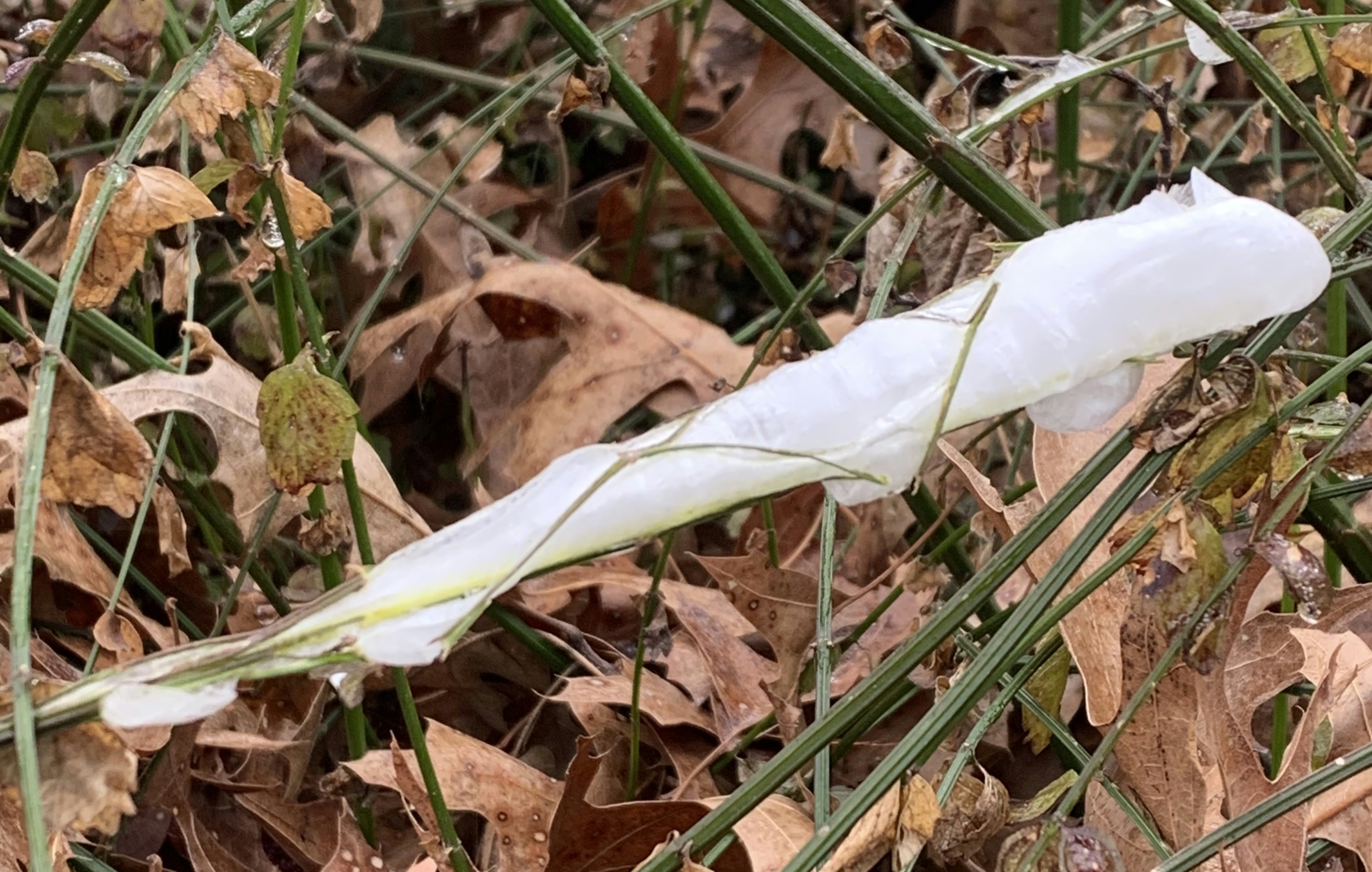
The best photograph I’ve been able to find of the initial outbreak of parasitic ice in central Texas in 1937.

The best photograph I’ve been able to find of the initial outbreak of parasitic ice in central Texas in 1937.
At some point prior to 1937, a species of invasive parasitic ice was carelessly introduced to central Texas. Winters in the area have historically been mild, but the pest has occasionally overwhelmed the local ecology to cause sudden periods of deep cold, even kicking off unexpected snowstorms and other extreme weather events. As water, it burrows into susceptible plants before freezing. Plants that have adapted to the presence of this ice can accommodate the physical expansion of the phase change, but other plants, like those in Texas, don’t have this adaptation. Pressure builds inside the plant until it violently explodes outward, spreading the ice to other plants nearby. The local government has tried to keep the ice in check via industrial electricity and heat generation — a plan which is fiercely controversial, since it is technically a form of anthropogenic warming. Proponents of the plan argue that, accidental or otherwise, the presence of the ice in the first place is evidence of an act of climate change, legitimizing the same tactic in response; critics decry this use of geothermal weapons because of their effect on the planetary climate, which has externalities beyond central Texas. This history is running through my mind as I start to think about winterization. We’ve had a mild start to the season, but the last few years have seen a few outbreaks — here are some photographs from 2021, the worst in recent memory. 𓅓